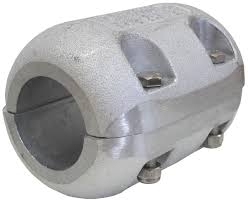
Why Anodes for Shaft Are Important for Protecting Your Boat's Drivetrain
A boat's propeller shaft operates in one of the harshest environments possible. Constant exposure to water, combined with the presence of different metals, creates ideal conditions for galvanic corrosion. Over time, this process can damage the shaft, propeller, and other underwater components, leading to expensive repairs and reduced performance. Installing Anodes for Shaft is one of the simplest and most effective ways to prevent this type of damage.
Shaft anodes are designed to corrode before the metal parts they protect. By sacrificing themselves, they preserve the integrity of your boat's drivetrain and help keep it operating efficiently throughout the boating season.
Galvanic corrosion occurs when two dissimilar metals are electrically connected while submerged in water. In this situation, one metal naturally begins to corrode faster than the other. Shaft anodes interrupt this process by becoming the sacrificial metal, attracting corrosion away from valuable components such as the propeller shaft and nearby fittings.
Because they are specifically designed for this purpose, replacing an anode is far more affordable than replacing a damaged shaft or propeller.
Benefits of Installing Shaft Anodes
Using Anodes for Shaft provides several practical advantages for boat owners.
Some of the key benefits include:
- Protects the propeller shaft from galvanic corrosion.
- Helps extend the lifespan of underwater metal components.
- Reduces costly maintenance and repair expenses.
- Supports smoother propulsion system performance.
- Improves long-term reliability in both fresh and salt water.
Although they are relatively small components, they play a vital role in protecting expensive marine equipment.
Choosing the Right Material
Selecting the proper anode material depends on where your boat is used. Different water conditions require different types of sacrificial metals for the best protection.
The most common choices are:
- Zinc for saltwater.
- Aluminum for saltwater and brackish water.
- Magnesium for freshwater lakes and rivers.
Using the correct material ensures the anode performs efficiently and provides maximum corrosion protection.
When Should Shaft Anodes Be Replaced?
Since shaft anodes are designed to wear away over time, regular inspections are essential. Ignoring worn anodes may leave the shaft vulnerable to corrosion.
Consider replacing them if you notice:
- Around half of the anode has been consumed.
- Deep pitting or uneven corrosion.
- Cracks or physical damage.
- Loose mounting hardware.
- Poor electrical contact with the shaft.
Checking the anodes during routine maintenance or whenever the boat is hauled out helps ensure continuous protection.
Installation Tips
Proper installation is just as important as selecting the right anode. The anode should fit securely around the shaft while maintaining full metal-to-metal contact. Paint, grease, or debris between the shaft and the anode can reduce its effectiveness.
It's also important to ensure the anode does not interfere with shaft rotation or restrict water flow around nearby bearings.
Maintaining Your Corrosion Protection System
Keeping your shaft anodes in good condition requires only a few simple steps.
- Inspect them several times during the boating season.
- Clean away marine growth if necessary.
- Replace worn anodes before they are fully consumed.
- Use only the correct anode material for your operating environment.
- Check that mounting bolts remain tight after installation.
These simple maintenance habits can significantly reduce the risk of corrosion-related problems.
Final Thoughts
Corrosion is an unavoidable part of boating, but it doesn't have to become an expensive issue. Anodes for Shaft provide reliable protection by sacrificing themselves before corrosion reaches critical drivetrain components. With the correct material, proper installation, and regular inspections, these small but essential parts help extend the life of your propeller shaft and keep your boat performing safely and efficiently for years to come.